Product redesign

Products age. The technology inside can still be perfectly current while the exterior form stops matching what the market expects, what the category demands, or where the brand’s identity has moved. A redesign changes that — refreshing a product’s exterior without touching what already works or rebuilding it from the ground up.

At GRID, we’ve spent over 25 years on product design and refreshing products’ exteriors. We help companies across industries carry out a design update and make the changes that today’s market actually calls for. We run every project end to end — from the initial design brief through to supervising its rollout into series production.
Contact us!
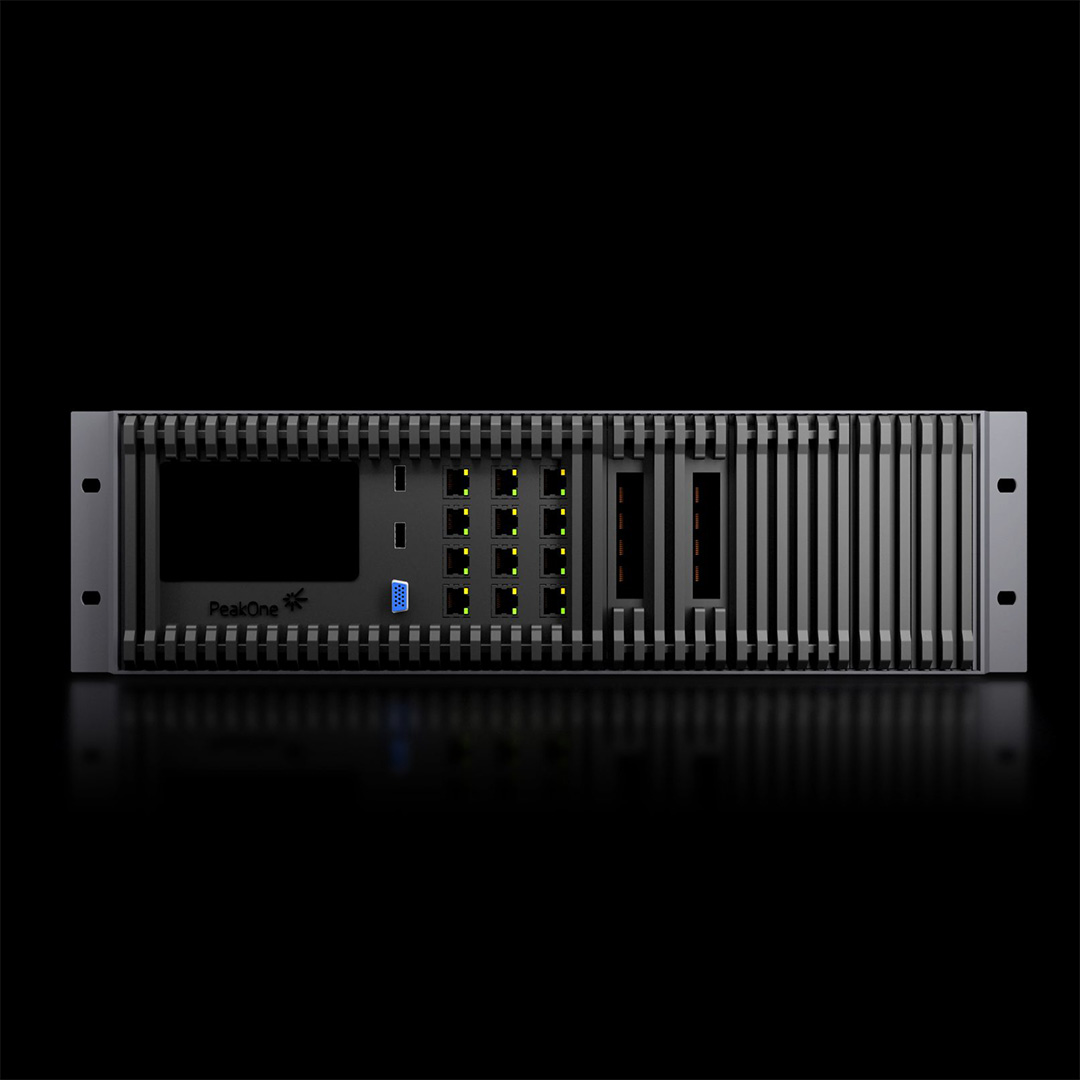
Minimalistyczne wzornictwo obudowy serwera telekomunikacyjnego Peakone dla Pirios projekt Grid Studio Projektowe
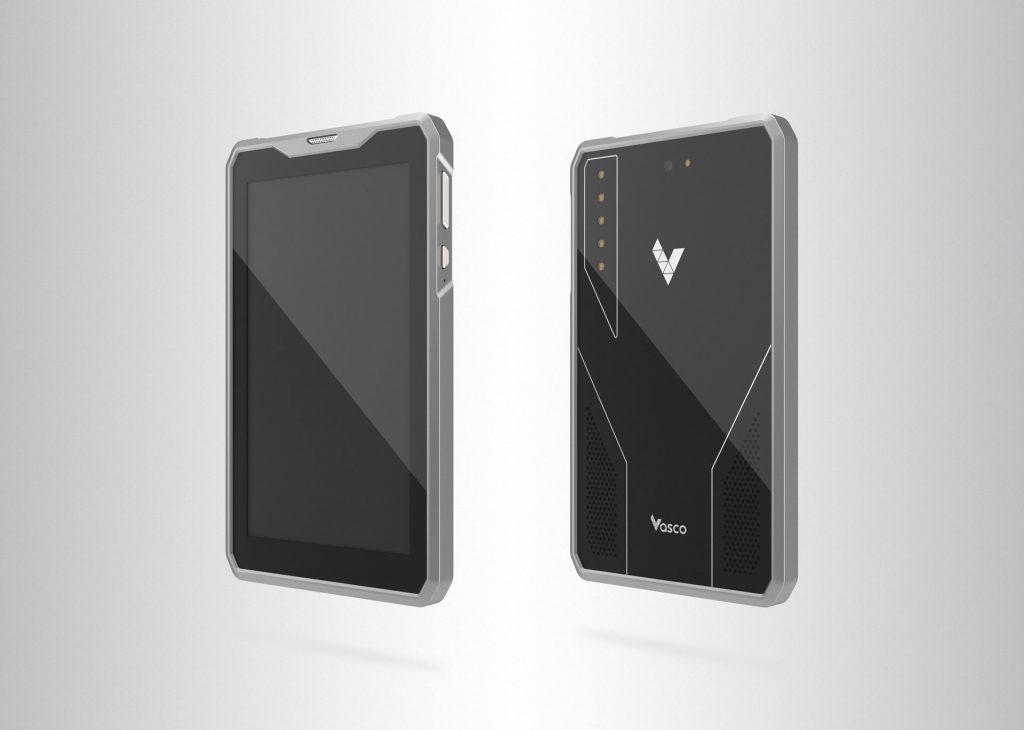
Vasco Electronics słownik elektroniczny tłumacz mowy Grid Studio Projektowe

Redesign and refresh for products across industries

We run redesign projects for companies across industries — electronics, medical, industrial. We work with manufacturers serving the domestic market as well as companies exporting to markets abroad. Our projects range from small electronic devices and accessories to diagnostic equipment and more complex industrial products.

No two redesign projects are the same — different starting point, different constraints, different goal. That’s why we don’t work off a single template. We define the scope of the update after an initial product analysis, weighing technical requirements, production capabilities, and the client’s business goals. Sometimes a refresh of the exterior form is enough; sometimes the change goes deeper, into the component layout or the manufacturing technology itself. Either way, the result is a product that better meets what the market expects today.

What does a redesign project include?

Stage 1 — Product audit and design brief

We analyze the existing product across design, functionality, and production. We identify what needs to change, define the constraints, and put together a precise brief — the document that anchors the entire process.

Stage 2 — Design concept for the new version

A new product form, developed with today’s production methods, material requirements, and brand identity in mind. We start with concept sketches, then move to 3D computer visualizations. Moving to the next stage requires sign-off on the design concept.

Stage 3 — Parametric 3D CAD models and design documentation

Complete design documentation, ready for your manufacturer or toolmaker to develop into technical documentation. File formats are set according to what your production partner needs.

Stage 4 — Prototyping, verification, and testing

A prototype of the new version lets us assess the changes before any production decisions are made. Together, we review the prototype’s ergonomics, aesthetics, and feasibility, then make corrections to the model. We check the changes against the previous version of the product, identify anything that still needs fixing, and finalize the design before handing off the documentation for production.

Stage 5 — Design supervision during rollout

Having the design team present during production is what guarantees the final result matches the design documentation. We handle consultations, review of test batches, and quality control — on-site or remotely.

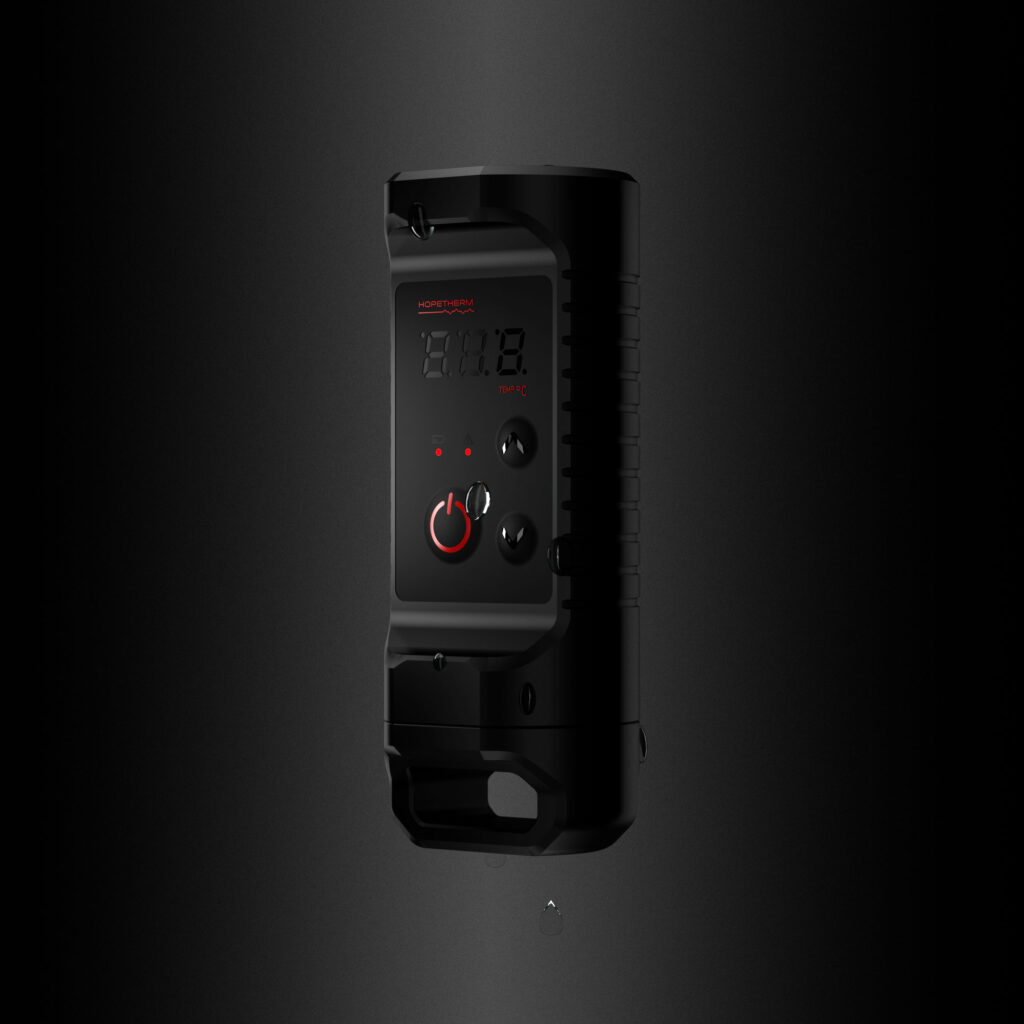
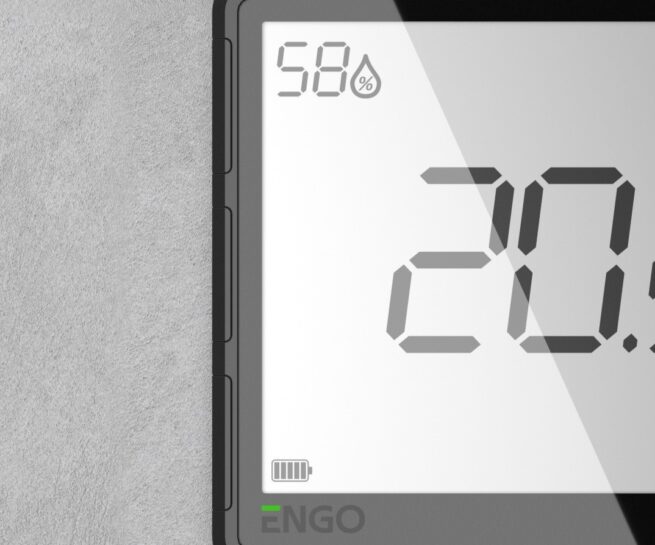
urządzenia medyczne, termometr, wizualizacja

Does your product need an update?

Contact us. We’ll review the project and propose ready-to-use solutions.

When is a redesign the right business decision?

  • The product’s look no longer matches the brand’s current positioning. Design ages faster than technology. A product whose visual form doesn’t fit the brand’s current identity or the category’s standards starts to lose credibility — especially in premium segments and export markets.
  • A change in supplier or production technology calls for a redesign. Switching to a different toolmaker or production line, a new material, or a different manufacturing method often opens the door to improving the enclosure. It’s a good moment not just to adapt the design, but to genuinely improve it.
  • A brand rebrand never made it to the product. New visual identity, repositioning, a merger, or entry into new markets — changes at the brand level should show up in the physical product too. A mismatch here weakens the message and undermines trust.
  • Market feedback points to specific problems. Service reports, usage data, ergonomics complaints — each one is a signal that there’s room to improve the product. A redesign lets us fix the elements that aren’t working.

Why choose a product redesign? The business case

A design update has a direct impact on sales. A well-executed redesign can boost sales without changing the technology or lowering the price. Updating a product’s form is also an effective way to build brand recognition — a consistent, modern look strengthens the brand and makes it easier to remember.

In some cases, a redesign also opens the door to a new audience: repositioning the product visually can reach market segments it previously missed. An updated form also means a better fit for the requirements of specific target markets — both aesthetically and in terms of the standards that apply in a given industry or region.

A redesign starts with figuring out what's worth changing.

Contact us, we’ll run an initial analysis of your product and define the scope of the update.

See our work

FAQ

Yes, where it makes sense. Most redesign projects focus on the exterior form, but if the change requires adjustments to the component layout or a new production technology, we factor that into the scope of the project.

No, that's not a requirement. A redesign can be limited to the enclosure while keeping the existing electronics, or it can be part of a broader product update — we define the exact scope individually during the brief stage.

We put together the scope and pricing after an initial analysis of the product and a conversation with you. From there, we prepare a proposal, set the price, and agree on a timeline.

Contact us!