Product design

Got a product idea, an early sketch, or a concept that’s still waiting to happen — but no team to turn it into a production-ready design? Talk to us. For over 25 years, we’ve designed all kinds of products for companies across a wide range of industries.

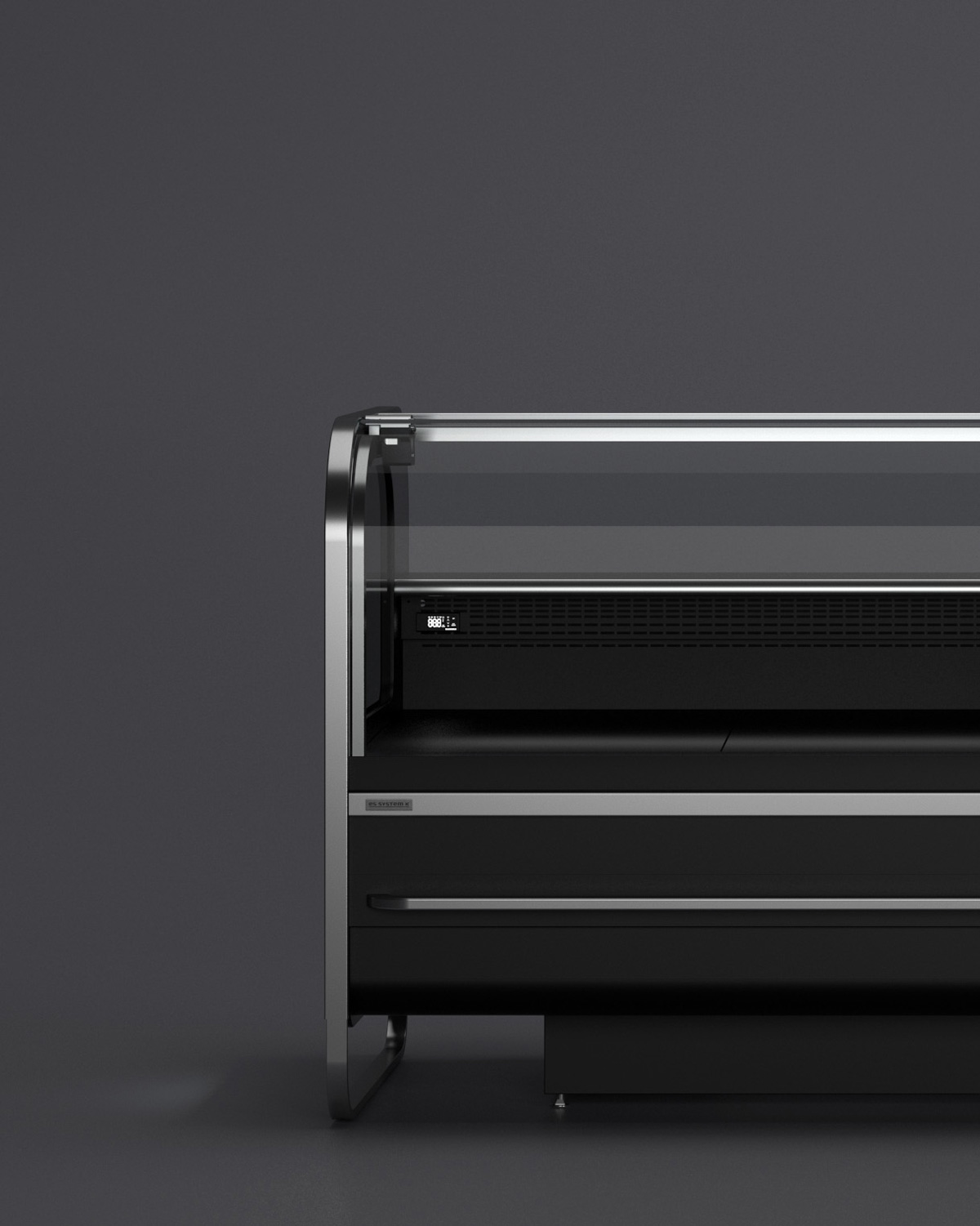
We run every project end to end — from the first concept sketches through to production. Brands like Es System K, EBS, Follett Ice, and Lako have trusted us, and our designs reach both the Polish market and international markets.

New product design

New product design starts long before the first sketch. Before a form takes shape, we need to understand the market, user requirements, technical constraints, and production capabilities. That knowledge — gathered and organized during the specification stage — is what determines whether the finished product will actually work: functional, manufacturable, effective, deliverable within budget, and accepted by the market.

At GRID, we design new products — everyday objects as well as more complex electronic, medical, and commercial devices. Our experience across industries and product categories lets us choose the right technologies, materials, and production methods, and propose solutions that genuinely fit the product at hand.

We work with clients who come to us with just a general idea and need support from day one, as well as companies that already have a sketch or defined technical requirements and need a team to turn them into a finished design.
Contact us!
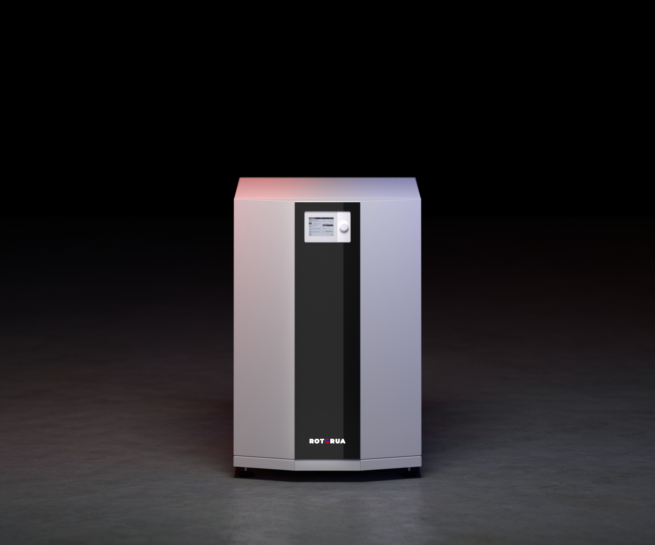
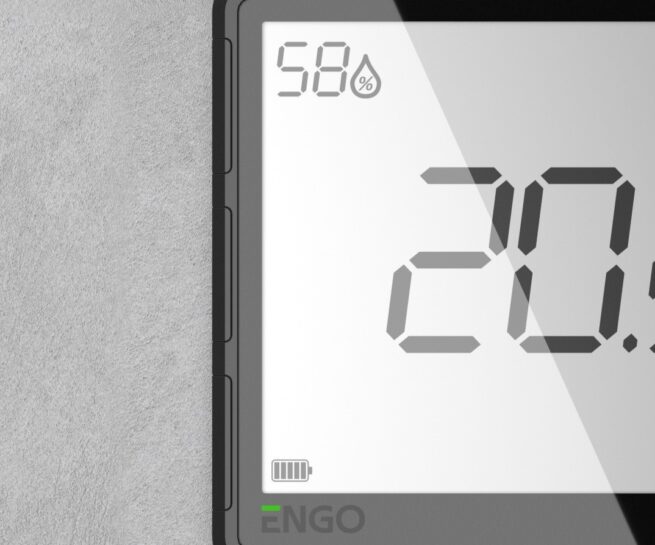
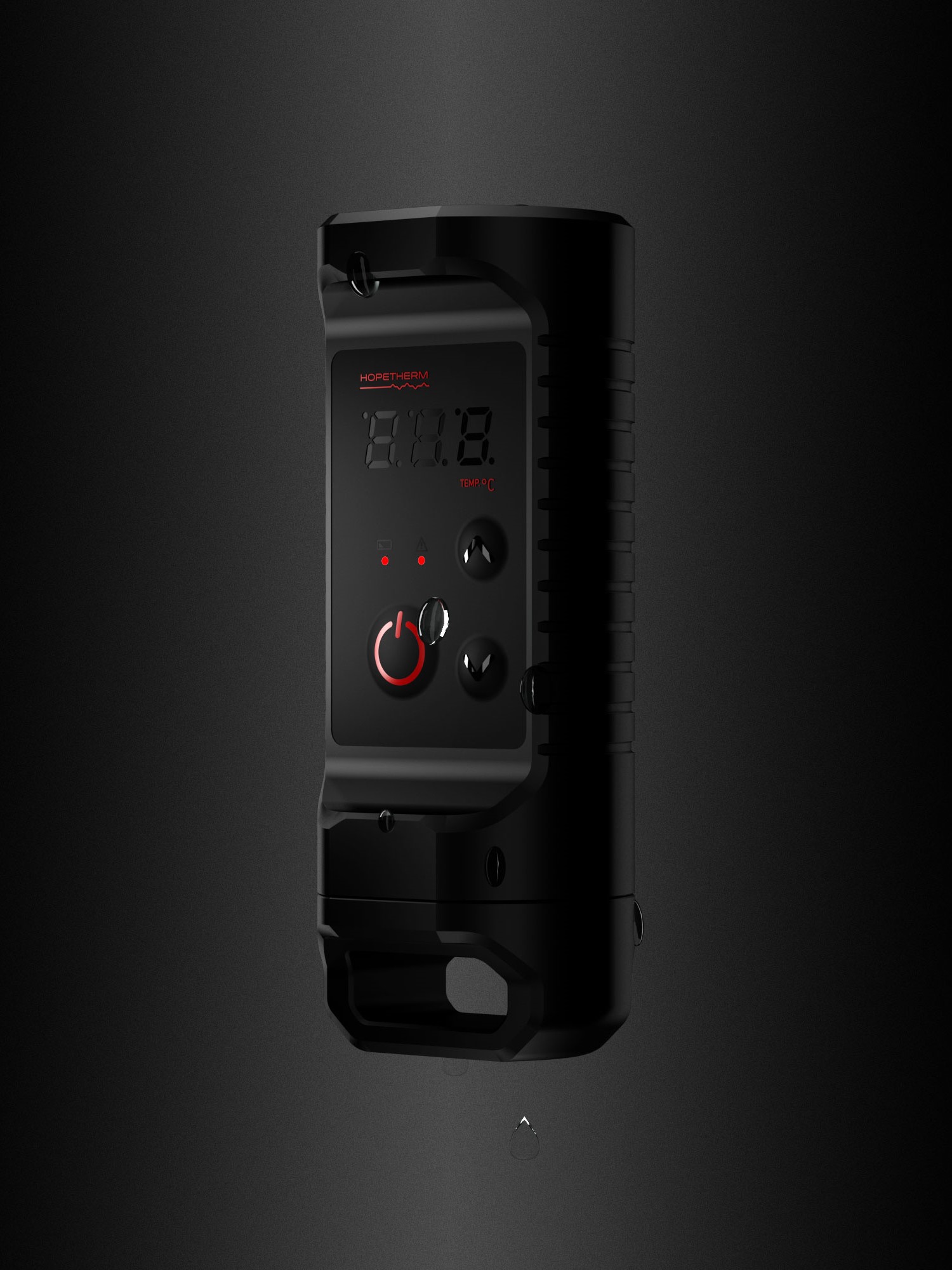
Projektowanie produktu - przykład urządzenia zaprojektowane przez GRID

Product design — the process, step by step

We approach every project individually, adjusting the scope and number of stages to fit its specifics. Here’s what a typical project looks like, step by step:

1. Creating the product design brief

The design brief is a document listing the project’s key assumptions, and it’s a core part of the process. It shapes the quality of the design, the success of the whole project, and the product’s chances on the market. At this stage, we define verified requirements for the product:

  • Functionality in everyday use
  • Visual characteristics
  • Material guidelines
  • Technical parameters
  • Structural, production, and market requirements
  • Marketing team input and any known constraints.

2. Analyzing current solutions

We identify similar products already on the market — both the ones named in the brief and the wider competitive landscape — as reference material for the project. We study them against market needs, consumer requirements, usability, and the technologies used. We present our findings, discuss the conclusions together, and consult on next steps. Based on that, we revisit and verify the design brief before moving on.

3. Developing the design concept

This is the core stage of shaping the product. We develop design concepts that define functionality, materials, colors, shape, and form. We present the work in two rounds — first hand-drawn concept sketches, then early computer visualizations. This is where we settle on the direction the project will take.

4. Developing the full design

Here, we develop the chosen concept further, refining the shapes, dimensions, and aesthetics of the product and its parts. This is the modeling and visualization stage, where we decide on technical divisions, surface finishes, and detail construction — based on the available production methods and the manufacturer’s technical capabilities. We may also build scale or full-size dimensional models at this point.

5. Preparing the prototype documentation

At this stage, we fine-tune the product’s shapes, dimensions, and aesthetics. After reviewing the visualizations, we update the 3D computer models, then prepare the design documentation needed for the technical documentation — which results in the product prototype.

6. Prototype testing and optimization

At this stage, we analyze, evaluate, and finalize the design. Together, we assess the prototype’s construction, ergonomics, and aesthetics, identify what needs correcting, and make the necessary changes. This is where we catch and fix issues before the product goes into series production.

7. Design supervision during rollout

We provide consultations, make corrections, and handle quality control, including review of pilot production batches. We’re available on-site or remotely for the full duration of the rollout.

Projekt wzorniczy obudowy produktu

Have a product idea and need a team to bring it to life?

Contact us. Tell us about your project, and we’ll tell you where to start.

Product design with GRID

Every project is backed by a team of designers and specialists with years of experience in product design, bringing real expertise in design, technology, and production processes. We work with modern CAD tools and 3D visualization software, which lets us assess a solution’s feasibility and estimate implementation costs early — before decisions get made that are hard to reverse.

Why choose GRID for your new product design?

You can design a new product in-house. It’s possible — it’s just rarely the optimal choice.

In-house teams know the product and the industry, but they often lack the distance needed to evaluate a design objectively. An outside design studio brings a fresh perspective, experience across different product categories, and knowledge of what’s worked in other contexts. That means a shorter path to a good design, fewer costly corrections, and more confidence that the product will be well-designed, production-ready, and matched to what the market actually wants.

An external design team is also the faster option when a company lacks design capacity or capabilities in-house — without having to build them from scratch.

Every product starts with an idea.

Wherever you are in that process, our experience and tools will guide you through it from start to finish.

Product design — our work

FAQ

Yes. We tailor the scope of our collaboration to your needs. You can commission specific stages only — for example, just the design concept, or the full design without prototyping. We agree on the exact scope before signing the contract.

It depends on how complex the product is and how many stages are involved. The design brief and analysis of existing solutions together take around 20 working days; the design concept and the full design each take up to 25 days, counted from approval of the previous stage. We set the exact schedule individually after an initial conversation.

Yes. The design process results in complete design documentation — 3D CAD models and visualizations — ready for your manufacturer or toolmaker to develop into technical documentation. We agree on the exact project scope and file formats at the start of our collaboration, based on what your production partner needs.

Contact us!