Enclosure design

For over 25 years, we’ve designed enclosures for electronic, medical, and industrial devices. In that time, we’ve delivered dozens of design projects for Polish and international manufacturers — everything from diagnostic equipment and alarm systems to air purifiers, vending machines, and lighting fixtures. We run every project end to end — from the initial design brief through to supervising its rollout into series production.


Full-service enclosure design for electronics and beyond

Enclosure design isn’t just a decision about how a device looks. It’s a complex process where form, material, production technology, and ergonomics all need to come together before the product ever reaches the assembly line.

At GRID, we take a full-service approach to every enclosure project. As early as the design brief stage, we analyze technical requirements, available production technologies, and the environment the device will operate in. We select the right materials and manufacturing methods so the product meets environmental requirements while staying functional and visually strong.

We work on new products as well as updates to existing enclosures — refreshing the visual design, improving ergonomics, or adapting a project to a new production technology.
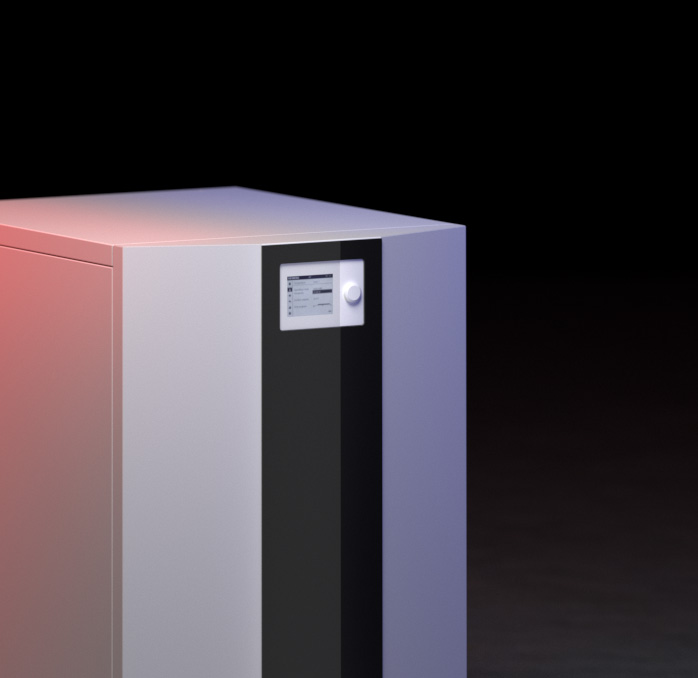
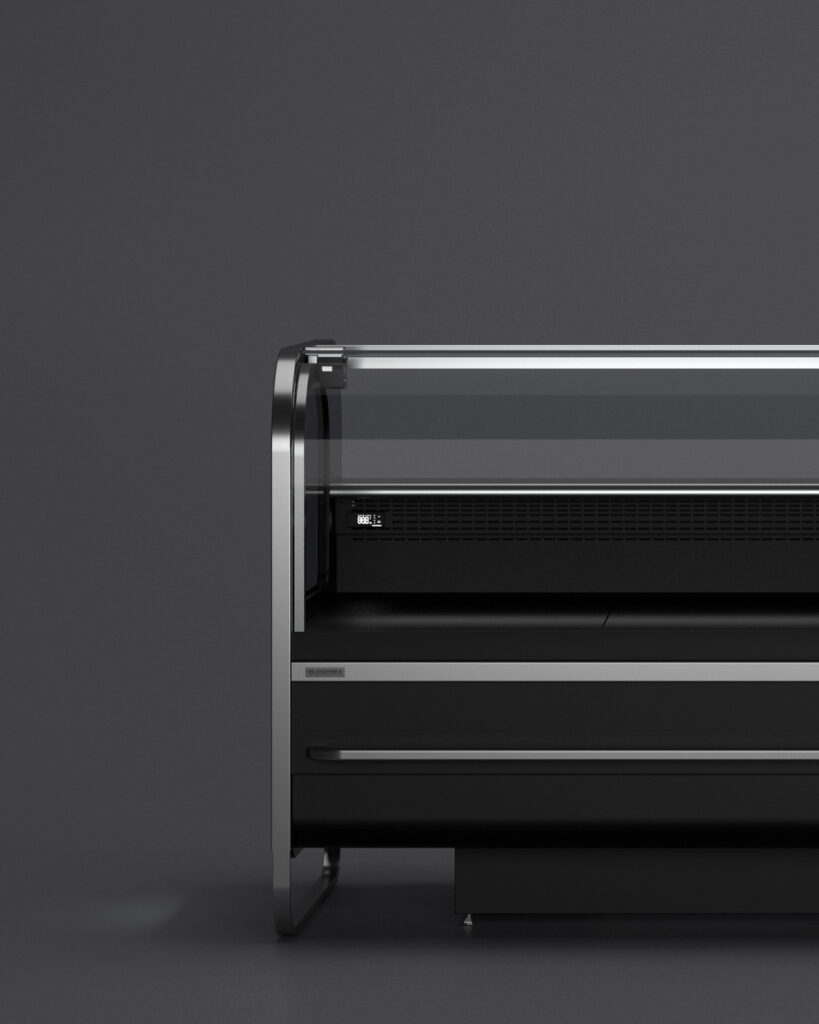
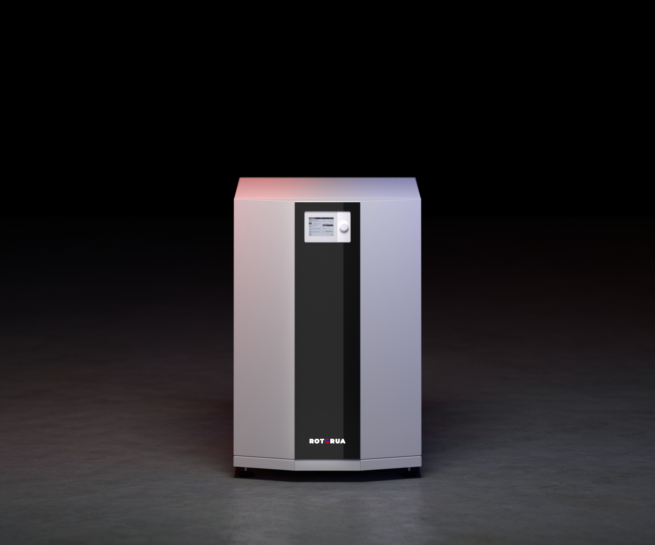
rotura
Projekt wzorniczy obudowy produktu

Enclosure design across industries

We design enclosures for companies and investors across industries and at every scale — from small electronic accessories to more advanced equipment. Our clients typically include:

  • Electronics manufacturers — companies with finished electronics who need an enclosure designed around their production technology and market requirements.
  • Investors with a product idea — people and organizations with a concept for a new device who need support at every stage, from zero to finished product.
  • Medical and diagnostic device makers — manufacturers where the enclosure design has to meet strict functional, ergonomic, and material requirements.
  • Companies updating existing products — businesses looking to refresh the look of an existing enclosure and bring a visual update without changing the electronics.
Contact us!

What does enclosure design include?

  • Industrial design (ID) — the enclosure’s form, aesthetics, proportions, colors, and materials, developed in close connection with technical requirements and production methods.
  • 3D CAD modeling — 3D models to verify shape and dimensions, prototype documentation, and the final technical documentation for the manufacturer.
  • Prototyping — the prototype is a core part of the process, letting us assess ergonomics, aesthetics, and construction before rollout.
  • Material and technology selection — we analyze available production technologies and materials as early as the brief stage, helping you choose the option that’s optimal on both cost and quality.
  • Design documentation — complete design documentation ready to be developed into technical documentation, prepared in your required format.
  • Design supervision — we stay involved through rollout: consultations, corrections, and quality control of pilot batches — on-site or remotely, for the full duration of the process.

Need an enclosure for your product?

Contact us and tell us about your project. We’ll tell you where to start and define the scope of our collaboration.

Enclosure design — how we work together

We run every project in stages, adjusting the scope and number of stages to your specific needs.

Stage 1 — Design brief

The foundation of the whole process. We put together a document defining verified requirements for the product: functionality in use, visual characteristics, material guidelines, technical parameters, and production and market requirements. We also factor in marketing team input and constraints.

Stage 2 — Analyzing existing solutions

We identify similar products already on the market — both the ones the client points us to and the wider competitive landscape. We analyze them for usability, aesthetics, and technology. We discuss the findings together and verify the brief before moving to the next stage.

Stage 3 — Developing the design concept

The core stage of shaping the product. We develop design concepts defining functionality, materials, colors, shape, and the enclosure’s overall form. We present the work in two forms: hand-drawn concept sketches, then early computer visualizations. This is where the client settles on the direction for the rest of the project.

Stage 4 — Full design

We develop the chosen concept into a complete design — refining shapes, dimensions, and aesthetics, and deciding on technical divisions, surface finishes, and detail construction, based on the available production methods and the manufacturer’s technical capabilities. We may also build scale or full-size dimensional models at this stage.

Stage 5 — Prototype documentation

Once the visualizations are approved, we update the 3D models and prepare the design documentation needed for the technical documentation. The result is a complete package for building the prototype.

Stage 6 — Prototype testing and optimization

We analyze the finished prototype’s construction, ergonomics, and aesthetics. Together with the client, we assess the results, make corrections, and finalize the design. This is the stage that protects against costly mistakes in series production — rapid prototyping models shorten the entire rollout process.

Stage 7 — Design supervision during rollout

Consultations, corrections, and quality control as the design moves into production. Review of pilot production batches. Available on-site and remotely for the full duration of the rollout.

When should you commission an enclosure design?

An enclosure project becomes necessary in a few specific situations.

First, when a product is being prepared for rollout and needs an exterior form built around already-defined components and production technology.

Second, when an existing product needs a visual update, because the market, the brand, or the manufacturing technology has moved on.

Third, when a change in supplier or toolmaker opens a window to redesign the enclosure — one that can also eliminate earlier flaws or compromises.

It’s worth making this decision as early as possible. The earlier the design team joins the process, the more influence they have on solutions that are both well-designed and genuinely feasible to manufacture within budget.

Every project starts with a conversation.

Tell us where your product stands, and we’ll advise you on what to do next.

See our work

FAQ

We specialize in design — the enclosure's form, aesthetics, materials, and technical divisions. Form and function are inseparable at the design stage, so we make decisions about production methods from the very first stage. Structural and manufacturing documentation is handled by the manufacturer or toolmaker.

It depends on the project's complexity and number of stages. For a full process: the brief takes around 10 working days, the analysis of existing solutions another 10, the design concept up to 25 days, and the full design with prototype up to 25 days from concept approval. You should also factor in time for client sign-off between stages. These timelines run from approval of the previous stage, not in parallel.

Yes, that's one of the most common scenarios. A client comes to us with finished electronics, components, or predefined dimensions, and our job is to design the product's exterior form. We also work on existing products, where the goal is a visual refresh of the enclosure without touching the electronics.

We're not limited to one product category. Our portfolio includes small electronic accessories, medical and diagnostic devices, industrial machinery, and consumer electronics.

Yes, we work both remotely and on-site, depending on what works for the client. Design supervision during rollout can happen through online meetings or on-site visits to the manufacturer. On-site visits are quoted separately.

Contact us!